Financial Markets Reporting · Est. 2022
Financial
Gurkha
Financial Markets Reporting From Wall Street, New York. Equity Valuations, Earnings Analysis, Macro Research and Technical Analysis.
Reported from Wall Street. Published to the world.
New York City
Featured Analysis
10/26/2026 · Kanchan
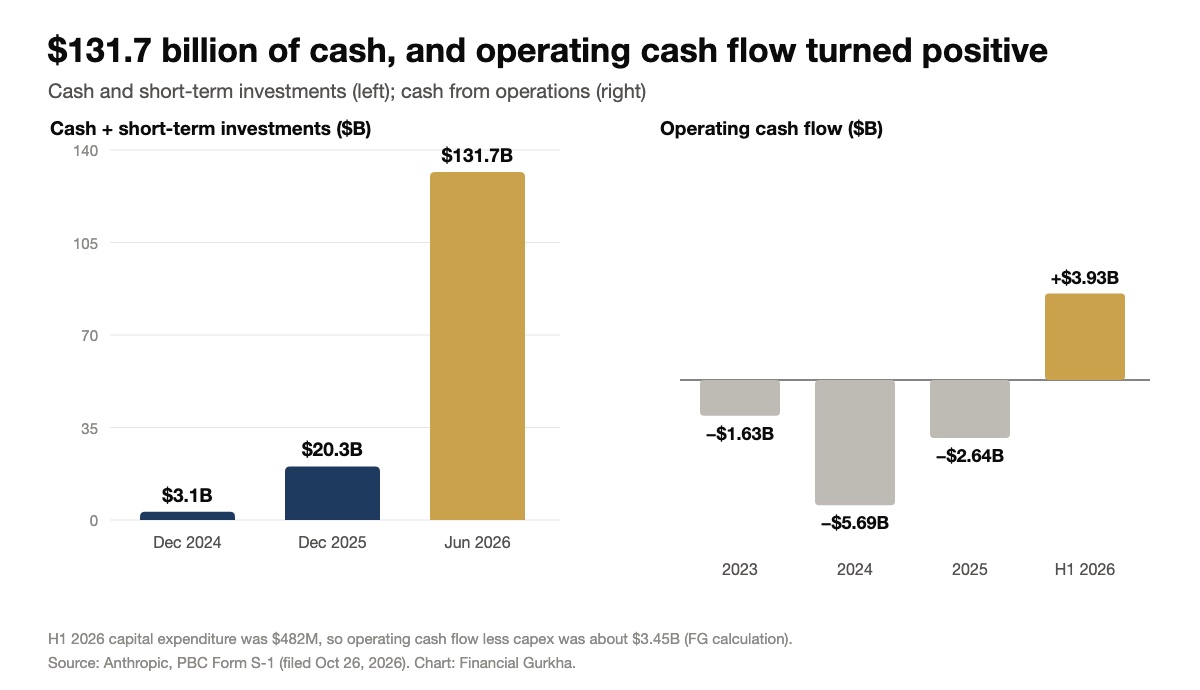
Anthropic’s Balance Sheet: $131.7B of Cash and an $80B “Loss”
Anthropic’s S-1 shows $131.7 billion of cash and investments, its first positive operating cash flow, and an accumulated deficit of $132.9 billion that is mostly accounting. Here is the balance sheet, the cash flow statement, our free cash flow calculation, and why depreciation is about to matter.
Read the analysis →
The Ledger
All articles →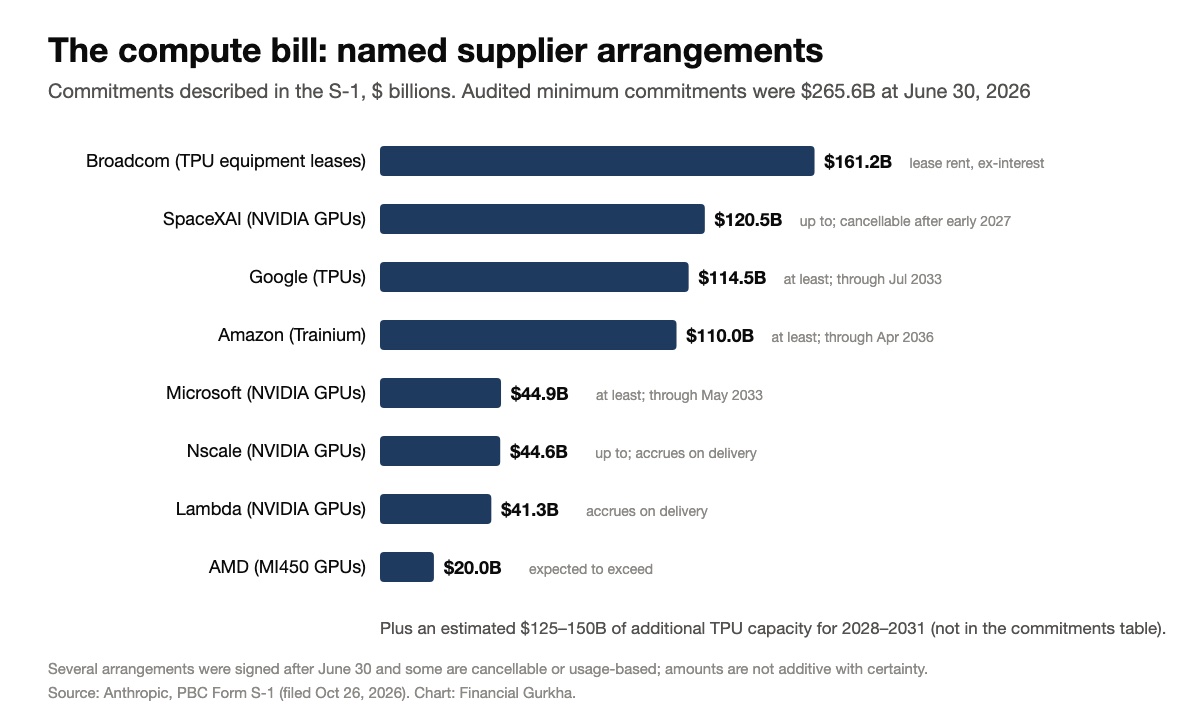
10/26/2026
Anthropic’s Compute Deals: Google, Amazon, Broadcom, NVIDIA, AMD
Anthropic’s minimum compute commitments rose from $54.6 billion to $265.6 billion in six months, and the S-1 describes more deals signed since. Here is every major supplier agreement, what it costs, how it is financed, and why several suppliers are also investors.
10/26/2026
How Anthropic Pays Dario and Daniela Amodei, per the S-1
Anthropic’s co-founder executives each earned about $16–18 million in 2025, mostly in equity and personal security. Their salaries have since climbed to $1.38 million, new grants vest only after the IPO, and their real wealth sits in roughly 240 million shares each, 80% of it pledged to philanthropy.
10/26/2026
Anthropic IPO Risks: The Numbers, the Unknowns and the Discount Rate
Anthropic’s S-1 lists the risks plainly. We split them into the ones you can measure (compute commitments, channel concentration, dilution, model cycles) and the ones you cannot (frontier competition, model behavior, litigation, governance), then show how a 5% Treasury and a long-duration valuation interact.
10/26/2026
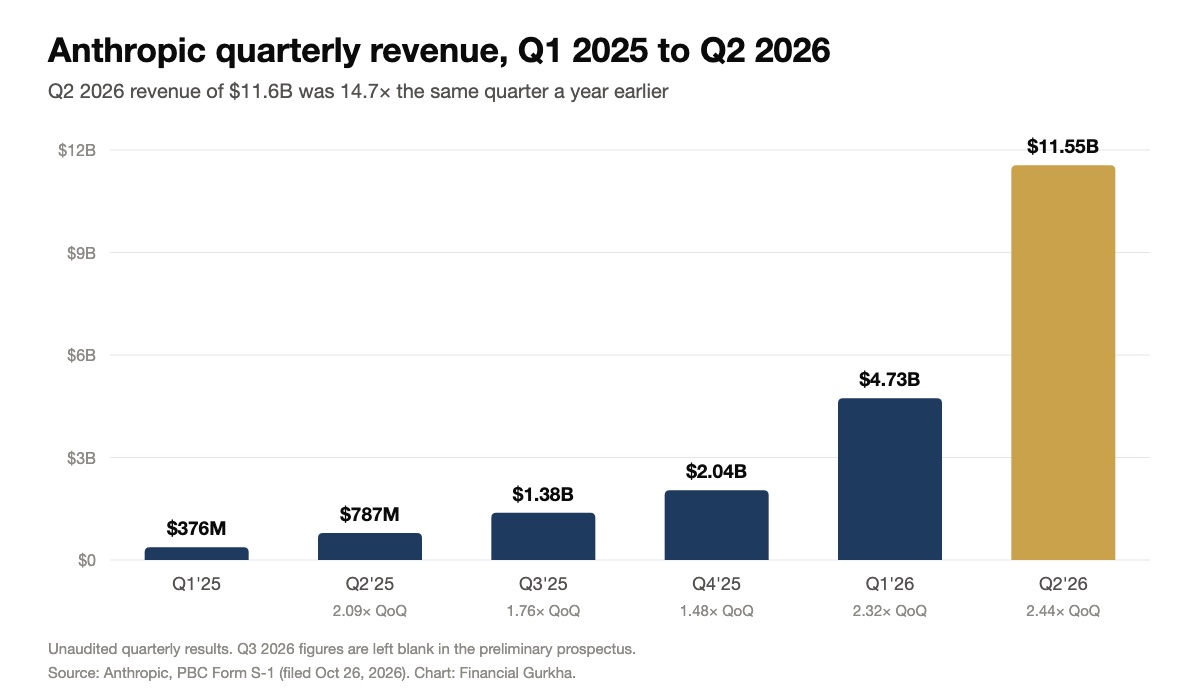
Anthropic Revenue Growth: $41 Million to $11.6 Billion a Quarter
Anthropic’s S-1 shows revenue of $41 million in 2023, $386 million in 2024, $4.59 billion in 2025 and $16.3 billion in the first half of 2026 alone. Here is the growth quarter by quarter, half by half and year by year, and the compute-efficiency story that turned it into the company’s first operating profit.
10/26/2026
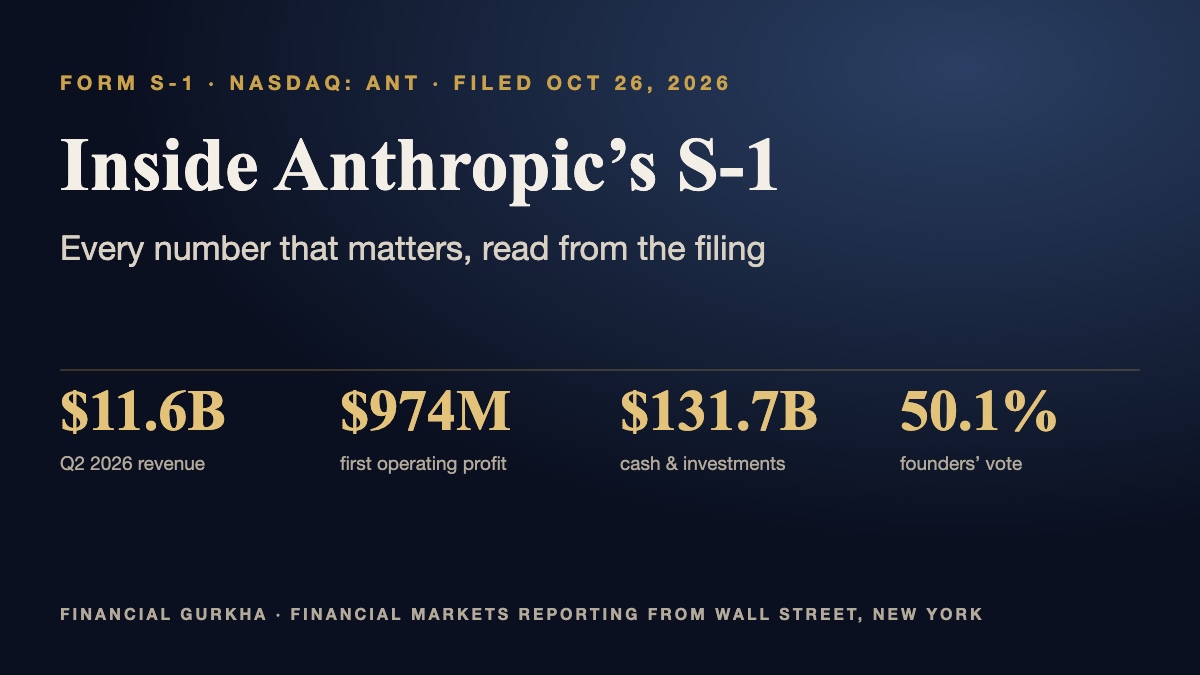
Inside Anthropic’s S-1: The Complete Breakdown of the IPO Filing
Anthropic filed to list on Nasdaq as ANT. Revenue went from $41 million in 2023 to $16.3 billion in the first half of 2026 alone, the company posted its first operating profit, it holds $131.7 billion of cash, and a trust plus the seven co-founders will control the board. We read the filing and explain every number that matters: growth, governance, pay, products, customers, cash, compute deals, risks and the discount rate.
10/26/2026
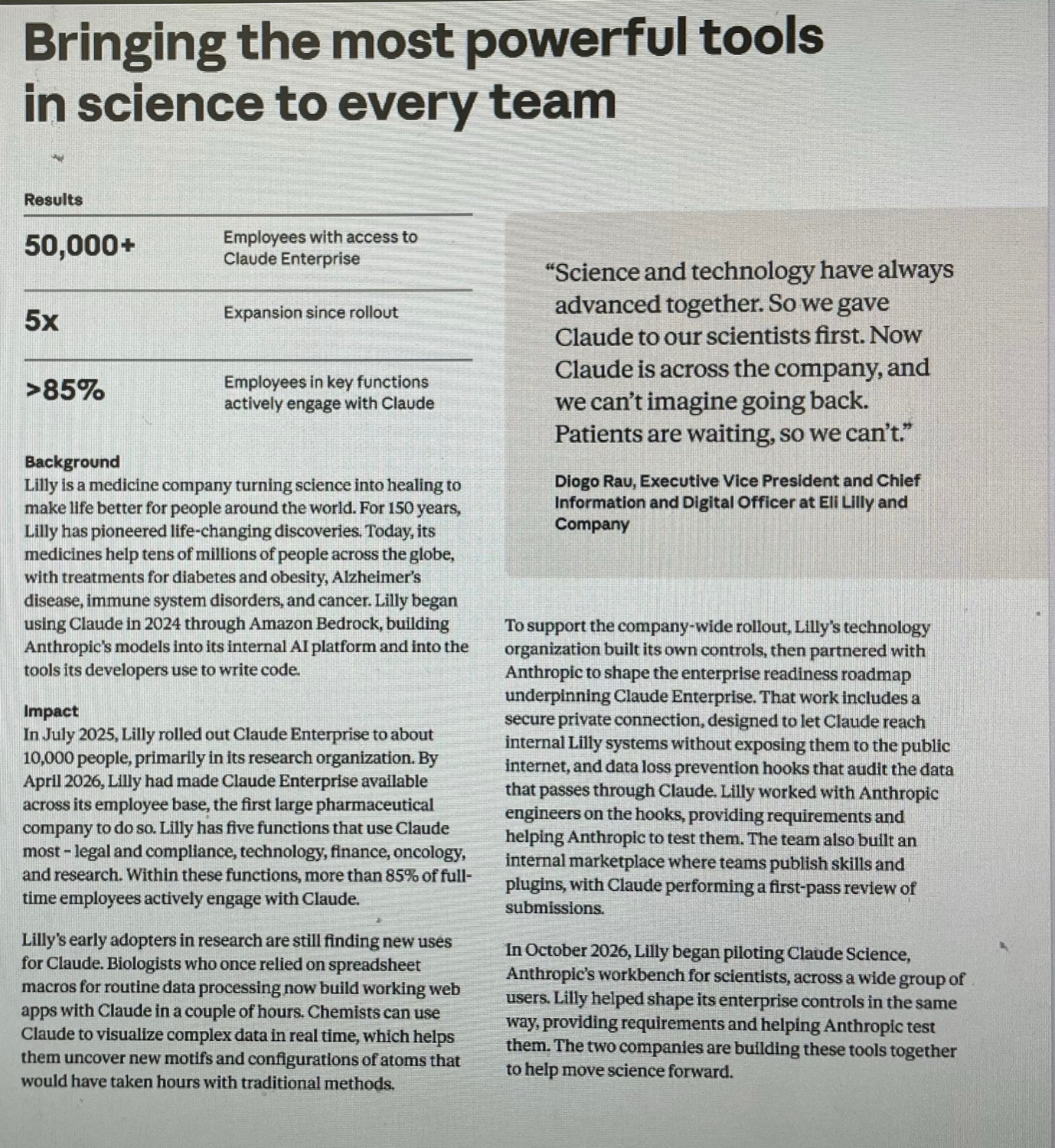
Virtual Collaborators: Anthropic’s Product Bet and Its Evidence
Anthropic’s S-1 rests its growth case on the “Virtual Collaborator”: AI agents that do hours of professional work inside a company. We lay out the product line from Mythos to Claude Cowork, and what Eli Lilly, AIG, Jane Street, Bristol Myers Squibb and DoorDash report getting from it.
From the Street
We walk the blocks we write about.
Financial Gurkha operates from New York City. Most articles are researched and written from Wall Street and the surrounding Financial District — on the ground, at least twice a week.
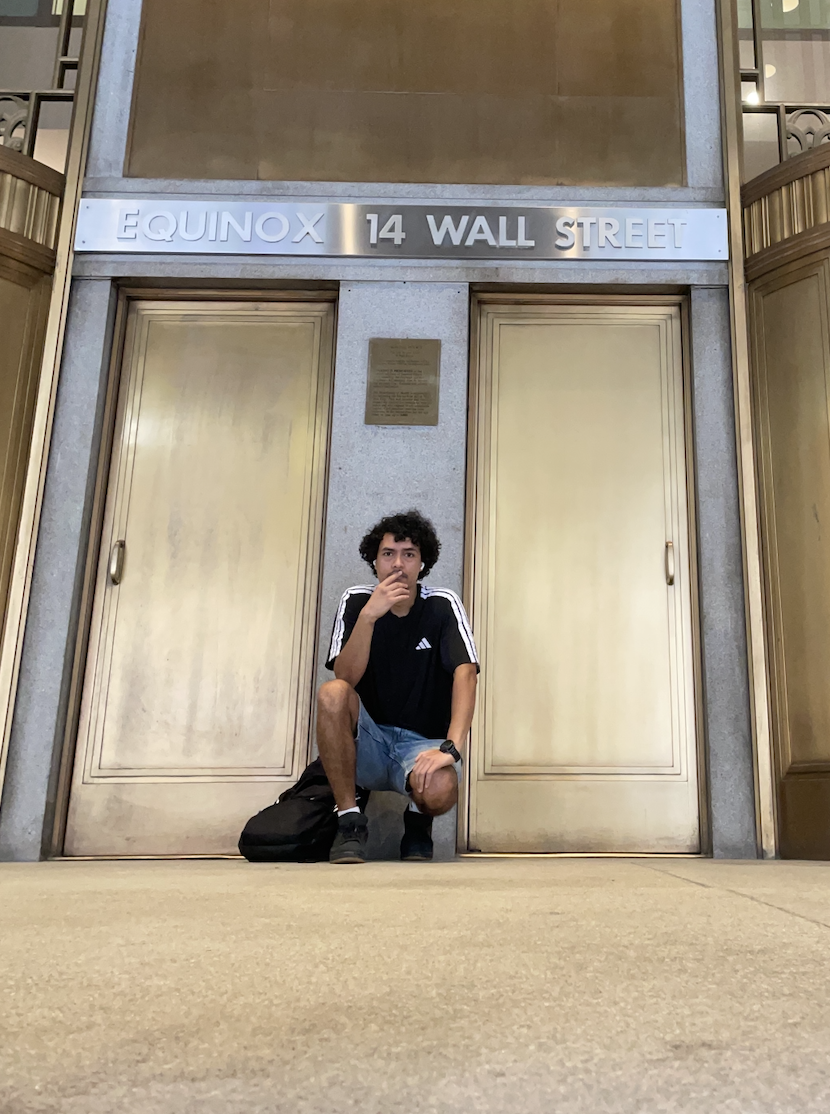
On the doorstep of 14 Wall Street
Wall St, Financial District
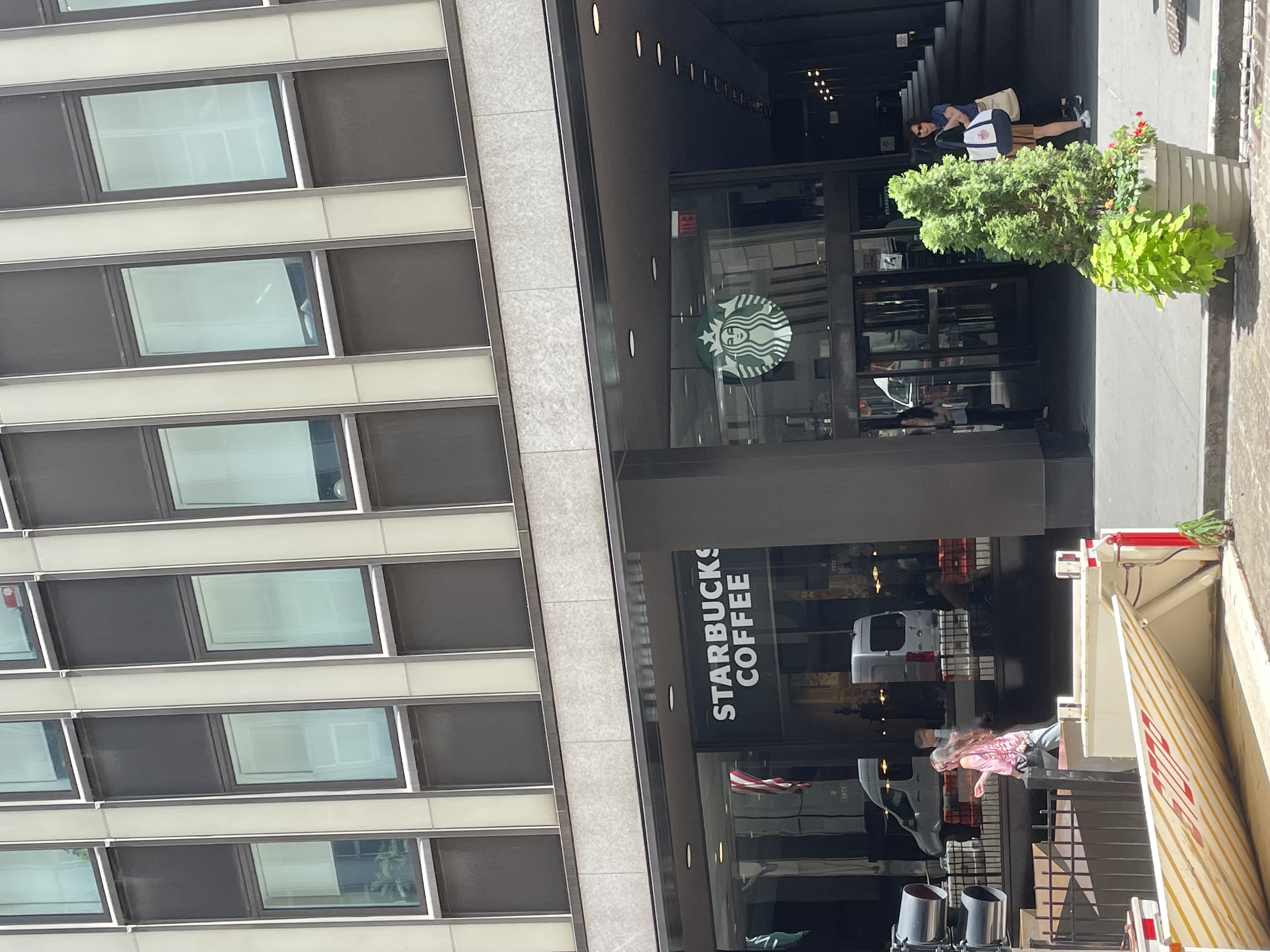
Morning coffee before the open
Financial District

Street art on the subway map
Lower Manhattan
“Markets reward the prepared. We do the preparation in public.”
Financial Gurkha · New York City · Est. 2022